

Face Mask
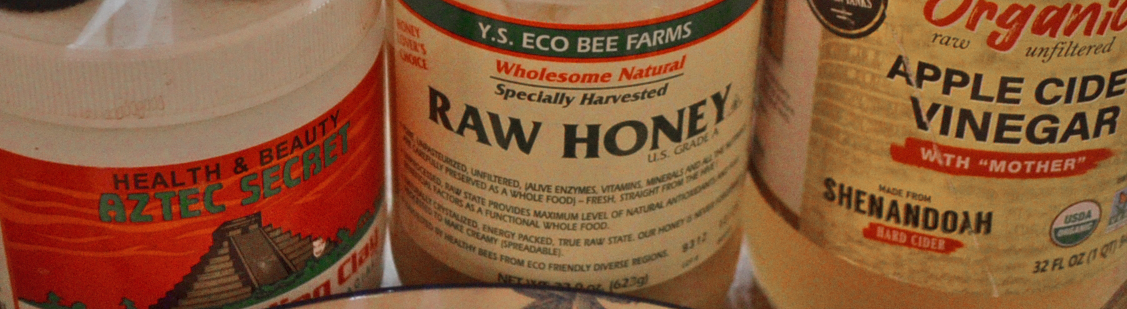
Let’s talk about bentonite clay. It is a natural product; it comes from ancient volcanic ash deposits that weathered and aged in water, mostly in marine environments over millions of years.
Bentonite clay offers key benefits for skin care and minor wound healing.
Made from aged volcanic ash, it works like a sponge to soak up oil, dirt, and unwanted substances.
Absorbs oil: Pulls extra grease and sebum from pores, making it ideal for oily or acne-prone skin.
Cleanses skin: Acts as a gentle scrub to remove dead skin cells and clear out dirt.
Calms irritation: Helps soothe bug bites, rashes, redness, and minor burns.
You should avoid letting wet bentonite clay touch reactive metals like aluminum, copper, or iron because the clay’s negative electrical charge can react with and attract metal ions, which may weaken its properties.
Instead, use glass, wood, or plastic bowls [not my preference but better than metal] and utensils when mixing your clay.
Mixing Rules
Use non-metal tools: Always pick plastic, glass, or wooden spoons and bowls.
Brief contact is okay: Accidentally touching the dry powder with a metal measuring spoon for a second will not ruin it.
Avoid storage in metal: Never store wet clay mixtures in metal containers.
Heavy Metals and Safety
Natural attraction: Bentonite clay acts like a magnet for positively charged particles, including heavy metals like lead, arsenic, and mercury.
More on other issues to come, including:
- Switching my dogs to raw food diet
- Why do my fleece clothes ignite green sparks when they rub together? Back to 100% cotton, silk, linen only. Nothing with micro or plastic (polyester) whatsoever.
- Copper – benefits
- LED lights and other silent disturbers
- kimchi
- Every Body Has Parasites- link to FREE CHARTS
Leave a Reply
Want to join the discussion?Feel free to contribute!